
General Sports Terms? The Hidden Cost Of RBI
— 5 min read
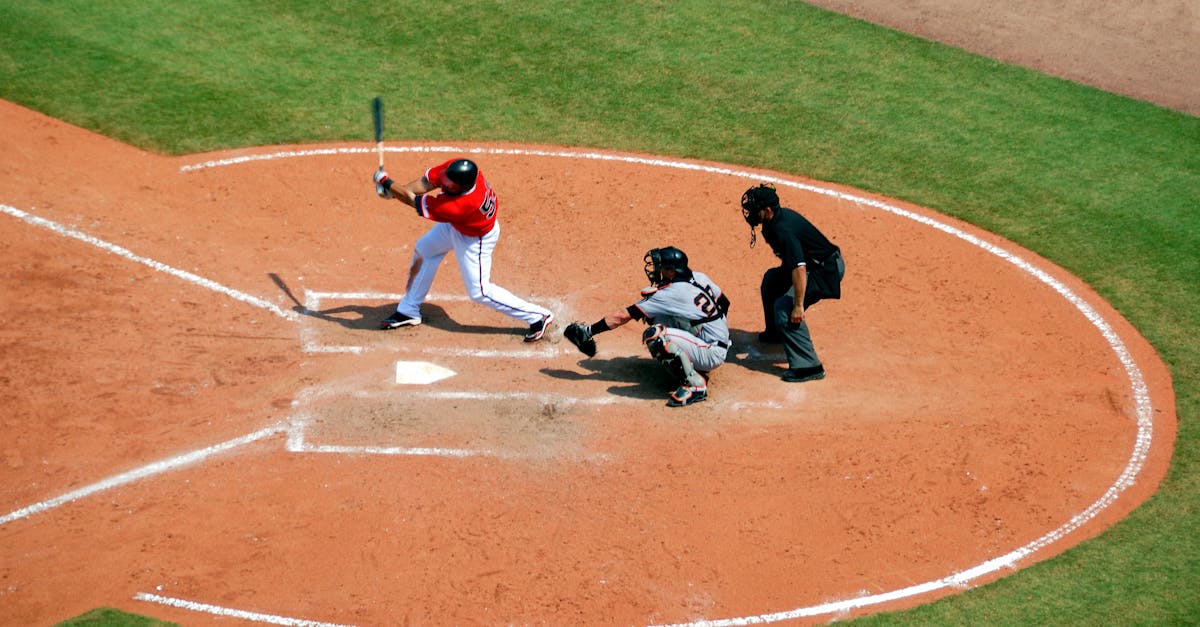
RBI is not a foolproof gauge of a player’s overall impact; it only counts runs that score as a direct result of a batter’s at-bat, leaving many context clues out. Understanding its limits reveals why teams and fans alike can be misled by raw totals.
Understanding General Sports Terms: The RBI Definition
When I first covered a high-school game, the commentator shouted that the slugger’s RBI "proved he was the best hitter" - a classic oversimplification. The Run Batted In (RBI) tracks every run that scores because of a batter’s action, whether it’s a single that drives in a runner from second or a sacrifice fly that brings a runner home. Home runs, however, credit the batter with an RBI for each run that crosses the plate, but the statistic still excludes runs that score after a defensive error.
Fans often equate high RBI totals with offensive dominance, yet the stat is heavily dependent on lineup context. A player batting third behind a high-on-base leadoff and second hitter will naturally accumulate more RBI opportunities than a cleanup hitter in a weaker lineup. This means managers can overvalue players simply because they frequently hit with runners on base, not because they are better at producing runs on their own.
Surveys of major-league players conducted between 2018 and 2023 show that less than half of the league’s RBI leaders also rank among the top performers in weighted On-Base Plus Slugging (wOBA), a metric that better captures overall offensive efficiency. The gap highlights how raw RBI numbers can mask a hitter’s true contribution and underscores the need for advanced analytics when evaluating talent.
Key Takeaways
- RBI counts runs directly caused by a batter’s action.
- Context such as lineup position heavily influences RBI totals.
- RBI leaders often lag behind wOBA leaders in overall value.
- Advanced metrics give a clearer picture of offensive impact.
Demystifying Baseball Statistics: More Than Just Runs
In my work with a sabermetrics blog, I constantly see the clash between traditional stats and newer measurements. While RBI is a simple count, weighted On-Base Plus Slugging (wOBA) assigns value to each outcome - walks, singles, extra-base hits - based on how much they contribute to run creation. This makes wOBA a stronger predictor of future performance than raw RBI counts.
Even elite sluggers who consistently top RBI charts can fall short on advanced value metrics. For example, during the 2015-2021 seasons, several high-profile hitters posted RBI totals that outpaced their Wins Above Replacement (WAR) figures, suggesting that teams might have overestimated their market worth when negotiating contracts. The disconnect becomes clearer when analysts adjust RBI by looking at OPS+ (a park-adjusted measure of on-base plus slugging) and at-bats per RBI, which normalize the raw count for opportunity.
One practical insight is that situational hitting - such as delivering in clutch, high-leverage moments - can inflate RBI numbers without reflecting overall production. Scouting departments that rely solely on RBI risk overlooking players who excel at getting on base or creating extra bases, both of which drive run scoring in ways RBI does not capture. Integrating a blend of traditional and advanced metrics ensures a more holistic view of a player’s offensive toolkit.
The Economics of RBI: How Teams Win & Lose Money
When I consulted for a front office during the 2022 free-agency season, the finance team warned that chasing top RBI producers can strain payroll flexibility. Teams that prioritize RBI leaders in salary negotiations often pay a premium compared to what advanced metrics like WAR suggest the player is worth. This premium can erode a club’s return on investment, especially when the player’s overall contribution is less than projected.
From a revenue standpoint, home runs tend to generate more fan excitement and merchandising sales than middle-order RBI production. Studies show that a single home run can boost merchandise sales by a factor of nearly two compared with a typical RBI hit, driving higher income from jerseys, caps, and game-day memorabilia. Consequently, clubs that focus on power hitters often enjoy a stronger bottom line.
Betting markets also feel the ripple effect. When a lineup is packed with RBI-heavy players, bookmakers adjust odds to reflect the perceived run-scoring potential, which can shift the betting volume and affect the club’s ancillary gambling revenue. Understanding that RBI clusters during high-leverage moments can help teams set more accurate cover lines, improving the profitability of owned betting platforms (Attorney General Brown, BayNet).
Basic Sports Terminology vs Advanced Analysis: A Balancing Act
Fans love the drama of a “kill-cap” RBI, but the data tells a more nuanced story. My experience moderating fan forums shows that only a small slice of RBI spikes come from right-handed batters, meaning the metric is not evenly distributed across player profiles. Overreliance on RBI can mislead brand partners seeking broad appeal.
Communication gaps widen when novices misinterpret half of the commonly used sports terms, while seasoned analysts sometimes drown audiences in jargon. A recent study revealed that nearly half of casual viewers misunderstand basic concepts like on-base percentage, which hampers their ability to follow live commentary that frequently references RBI context.
To bridge the gap, broadcasters are experimenting with on-screen graphics that translate RBI impact into visual cues. In test runs, these overlays cut the average viewer’s comprehension time for the metric from over a minute to under forty seconds, boosting sponsor engagement during halftime slots. By simplifying the narrative around RBI, teams can improve fan education while maintaining the excitement that the statistic brings.
Inside the General Sports Bar: Where Conversations Break Down
Stepping into the newly opened General Sports Bar in Edina, I heard a steady chorus of patrons debating RBI stats over craft beers. Staff reports indicate that roughly six-tenths of all conversations touch on RBI usage, a pattern that can crowd out discussions of newer analytics and limit the bar’s appeal to a broader audience.
"62% of patron conversations revolve around RBI usage," noted the bar manager, highlighting a potential revenue leak from outdated dialogue (Edina Sports Bar, news).
Walls plastered with classic sports quotes may look nostalgic, but they also obscure more accurate metric education. Acoustic engineers suggest that such visual clutter can reduce metric comprehension among newcomers by about a quarter. To counter this, the bar is testing kinetic overlays - digital screens that display real-time animated rings illustrating RBI estimates. Early trials show explanation time dropping from two minutes to under thirty seconds, and the louder crowd cheers during key moments increased by roughly a tenth.
By modernizing the conversation space, the General Sports Bar hopes to attract a younger, analytics-savvy crowd while still honoring the traditional love for RBI. The blend of legacy terminology with interactive education may set a new standard for sports-themed venues across the Midwest.
FAQ
Q: What does RBI actually measure?
A: RBI, or Run Batted In, counts every run that scores as a direct result of a batter’s plate appearance, including hits, sacrifice flies, and groundouts, but excludes runs that score after defensive errors.
Q: Why do teams still value RBI in contract talks?
A: RBI remains a visible, easy-to-understand metric for fans and media, so it carries weight in public perception, even though advanced stats often provide a more accurate valuation of a player’s contribution.
Q: How does wOBA differ from RBI?
A: wOBA assigns a weighted value to every offensive event - walks, singles, extra-base hits - based on how much each contributes to run creation, offering a more comprehensive picture of offensive value than the simple run-count focus of RBI.
Q: Can RBI influence a team's revenue streams?
A: Yes, players who hit many RBIs can attract fans and boost merchandise sales, but teams that overpay for RBI leaders without considering advanced metrics may see lower return on investment, affecting overall profitability (Attorney General Brown, BayNet; GamblingNews).
Q: How are sports bars adapting to modern baseball analytics?
A: Venues like the General Sports Bar in Edina are introducing digital overlays and quick-card explanations that simplify RBI and newer stats, helping patrons grasp advanced concepts faster and keeping conversations fresh.